Models
24 models
-
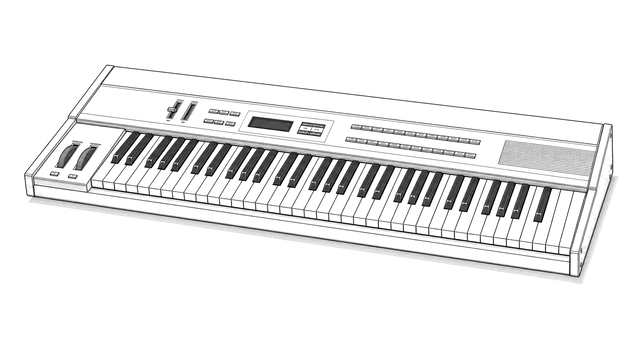
Yamaha DX7
Six-operator FM digital synthesizer
Synthesizer · Japan
Yamaha's landmark six-operator FM digital synthesizer, introduced in May 1983.
-
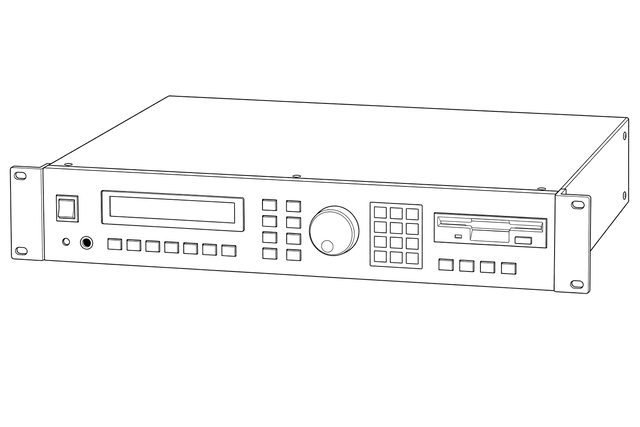
Akai S1000
1988 16-bit professional stereo digital sampler
Sampler · Japan
The Akai S1000, released in 1988, is a rackmount 16-bit stereo digital sampler that set a professional standard for sampling in the late 1980s and 1990s, with high audio quality, flexible editing, and wide library support.
-
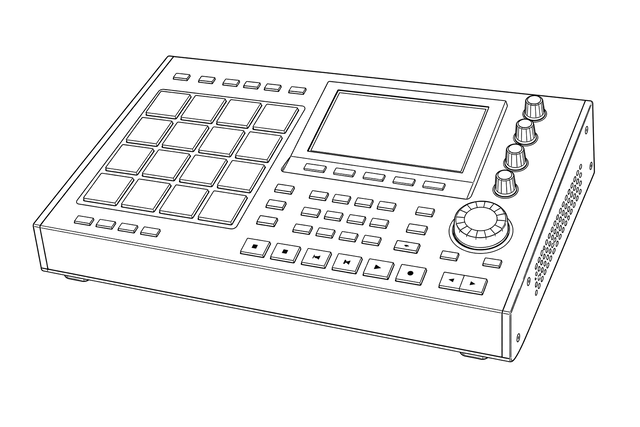
Akai MPC
Electronic musical instrument
Synthesizer · Japan
The Akai MPC (MIDI Production Center) is a family of sampler-sequencers, first released in 1988, that combined sampling, drum-pad performance, and sequencing in one unit. Developed with Roger Linn, the MPC became a central tool of hip-hop and electronic production and remains an industry standard.
-
Yamaha DX1
DX Series FM digital synthesizer
Synthesizer · Japan
A Yamaha DX Series FM digital synthesizer introduced in 1983 and part of the original DX Series lineup discussed in Yamaha's official synth history.
-
Yamaha DX5
DX Series FM digital synthesizer
Japan
A Yamaha DX Series FM digital synthesizer introduced in 1985 and discussed in Yamaha's official synth history.
-
Yamaha GS-1
Digital keyboard with FM tone generation
Synthesizer · Japan
A Yamaha digital keyboard released in 1981 with FM tone generation and touch-sensitive control.
-
Yamaha CS6x
Synthesizer from Yamaha
Synthesizer · Japan
The Yamaha CS6x is a sample-based synthesizer from around 2000 combining AWM2 sample playback with virtual-analog-style control and effects, aimed at performers wanting hands-on sound shaping.
-
Yamaha CS-70M
CS Series analog synthesizer
Japan
A Yamaha CS Series synthesizer introduced in 1981 with auto-tune and a built-in sequencer.
-
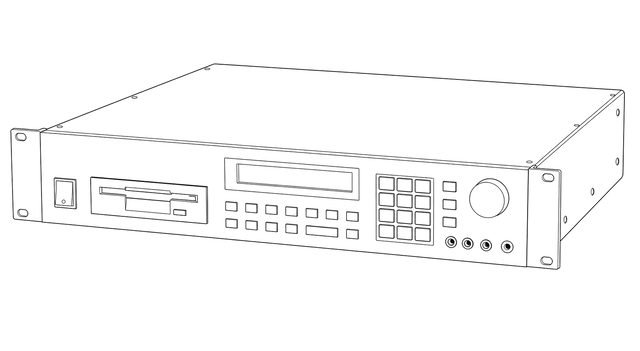
Akai S900
1986 12-bit professional digital sampler
Sampler · Japan
The Akai S900, released in 1986, is a rackmount 12-bit digital sampler that brought professional sampling to a wider market. Its characterful lo-fi sound and MIDI control made it a studio standard of the late 1980s.
-
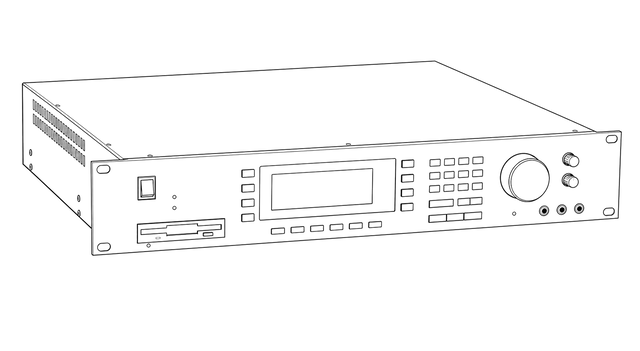
Akai S3000XL
The Akai S3000XL is a sampler with 32 polyphonic voices, and 2 MB of built-in RAM.
Sampler · Japan
The Akai S3000XL is a rackmount professional digital sampler in Akai's S3000 series, offering high-quality 16-bit sampling, extensive editing, and broad compatibility for studio production.
-
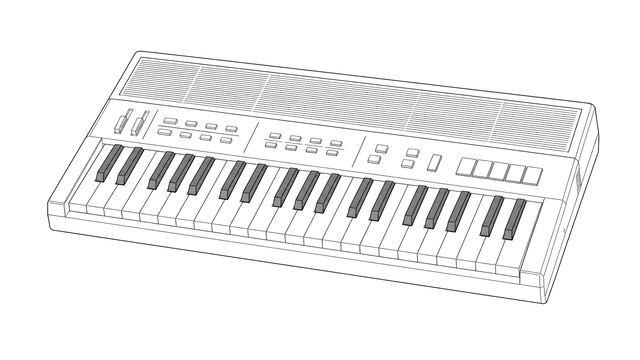
Casio MT-40
Electronic keyboard
Electronic keyboard · Japan
The Casio MT-40 is a small consumer Casiotone keyboard from the early 1980s. Though a budget home instrument, its preset rhythm and bass patterns became foundational to Jamaican dancehall through the 'Sleng Teng' riddim.
-
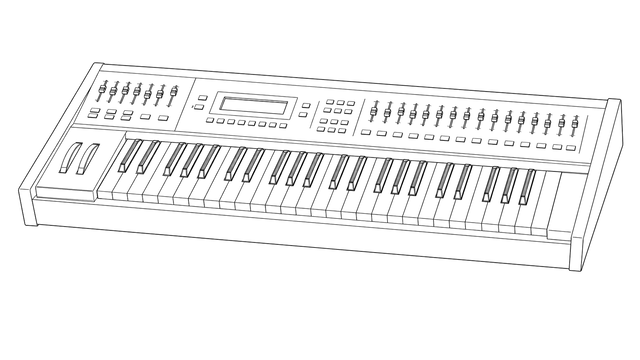
Akai AX60
Analogue synthesizer
Synthesizer · Japan
The Akai AX60, released in 1986, is a six-voice polyphonic analog synthesizer with a slider-based interface that could interface with Akai's samplers, offering warm analog sounds with MIDI control.
-
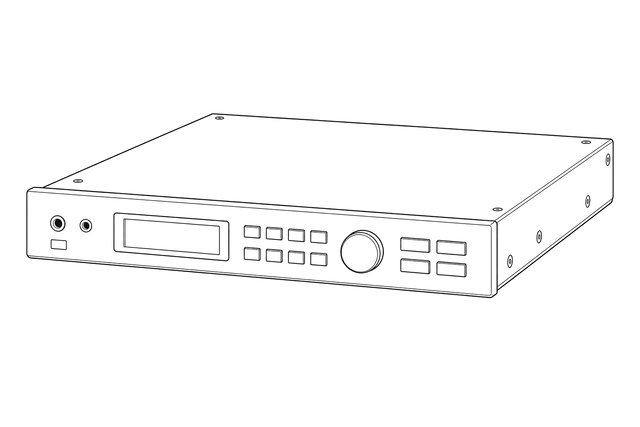
Akai SG01v
Sound module model
Synthesizer · Japan
The Akai SG01v is a General MIDI-compatible sound module released in 1995, providing a library of sampled instrument sounds for playback from a MIDI sequencer or controller.
-
Yamaha RX11
Yamaha's answer to the LinnDrum
Drum machine · Japan
The RX11 sampled acoustic drums at twelve bits with individual outputs and MIDI, and its dry, clean voices sit under a great deal of mid-1980s pop that wanted the Linn sound without the Linn.
-
Roland TR-505
Cheap sampled drums with a real sequencer
Drum machine · Japan
The 505 put PCM samples and the TR sequencer into a plastic box at a price that made it a first drum machine for a generation, and it turns up on more early house and hip-hop demos than its reputation suggests.
-
Boss DR-55 Dr. Rhythm
A programmable drum machine the size of a paperback
Drum machine · Japan
The DR-55 had four analogue voices and a sixteen-step grid programmed one instrument at a time, ran on a nine-volt battery, and cost almost nothing. For many players in 1980 it was the first machine they could actually program.
-
Yamaha RX5
Sampled drums a programmer could reshape
Drum machine · Japan
The RX5 gave each voice envelope, pitch, and filter editing plus cartridge expansion, which made it less a box of drums than a small percussion synthesizer.
-
Korg DDD-1
Sampled drums with cartridge expansion
Drum machine · Japan
The DDD-1 combined sampled voices with ROM cartridges that added more, plus per-voice outputs and tuning — a machine built for a studio that wanted to change its drum sounds without changing machines.
-
Roland TR-626
The 505's larger successor
Drum machine · Japan
The 626 widened the 505's sample set to thirty voices with Latin percussion included, and kept the same step-and-tap sequencer. It became a staple of home studios in the late 1980s.
-
Casio RZ-1
A cheap machine that could sample
Drum machine · Japan
The RZ-1 offered four seconds of sampling alongside its stock voices at a consumer price, which made user-sampled drums reachable years before that was normal.
-
Boss DR-110 Dr. Rhythm Graphic
The last of the analogue Dr. Rhythms
Drum machine · Japan
The DR-110 added an LCD grid that showed the pattern as you wrote it — the first drum machine many people saw their rhythm on — and was the last Boss box with analogue voices before samples took over.
-
Roland R-8 Human Rhythm Composer
Feel parameters on every hit
Drum machine · Japan
The R-8 let a programmer set nuance, velocity, decay, and tuning per step, and shipped a "human feel" function that varied them deliberately — an early, explicit attempt to answer the complaint that machines do not breathe.
-
Roland Octapad PAD-8
The 1985 pad controller that named a category
Electronic drums · Japan
The original Octapad was eight rubber pads and a MIDI socket, and it made "octapad" a generic word for a percussion controller. It is still the reason a drummer's auxiliary pad set is called that.
-
Roland TD-10
The first V-Drums
Electronic drums · Japan
The TD-10 introduced mesh heads and physical-modelling drum synthesis in 1997, and it is the moment electronic drums stopped being pads that triggered samples and started being instruments a drummer could play dynamically.