Model
Roland TR
Series of Roland rhythm machines
The TR (Transistor Rhythm) series is Roland's long-running line of drum machines, several of which became foundational to electronic music. It includes the analog TR-808 and TR-909 along with the compact TR-606 and the sample-based TR-707.
Sources
Category
-
Drum Machines
Programmable rhythm machines, drum synthesizers, and related beat-making instruments.
Made by
-
Roland
Roland is a Japanese maker of electronic musical instruments, including synthesizers, drum machines such as the TR-808, and the JC-120 Jazz Chorus, a benchmark solid-state guitar amplifier known for its built-in stereo chorus and produced since 1975.
Models in series
-
Roland TR-707
Drum machine · Japan
The Roland TR-707 Rhythm Composer is a 1985 drum machine that replaced the analog voices of the TR-808 and 909 with digital samples of acoustic and electronic drums. It introduced a clear LCD grid for step programming and pattern chaining and remained popular for its straightforward workflow and crisp, dry sounds.
-
Roland TR-606
Drum machine · Japan
The Roland TR-606 Drumatik is a compact analog drum machine introduced in 1981 as a rhythmic companion to the TB-303 Bass Line. It generates its drum and cymbal sounds with analog circuitry and offers step programming, and its thin, punchy voices became a staple of electro, techno, and experimental electronic music.
-
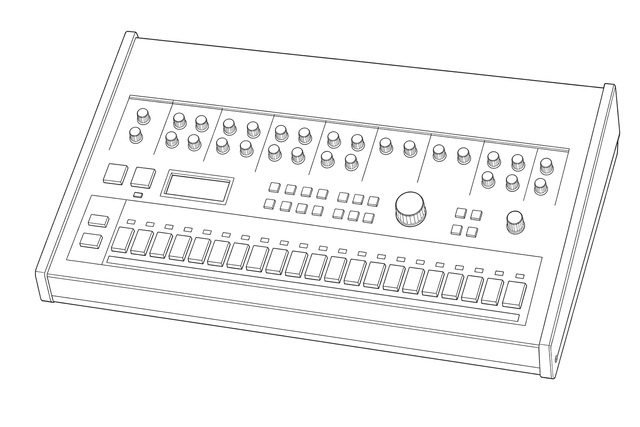
Roland TR-909
Drum machine · Japan
The Roland TR-909 Rhythm Composer, introduced in 1983, is a drum machine that combined analog-synthesized drum voices with sampled cymbals and hi-hats. It added MIDI and a refined step sequencer, and its punchy kick, snappy snare, and bright hats became foundational to house and techno.
-
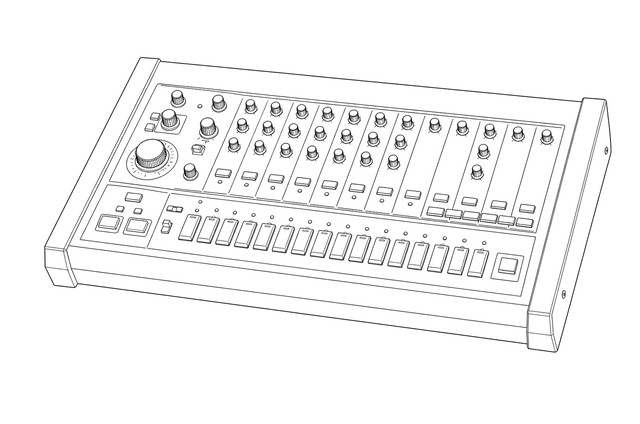
Roland TR-808
Drum machine · Japan
The Roland TR-808 Rhythm Composer is a programmable analog drum machine that Roland produced from 1980 to 1983. Its sounds are generated by analog circuitry rather than samples, giving it a distinctive booming kick, snappy snare, and sizzling cymbals and hi-hats. Commercially unsuccessful at launch, it became one of the most influential instruments in popular music, defining the low end of hip-hop, electro, and dance records and remaining a sought-after sound decades later.
Live listings on Reverb
-
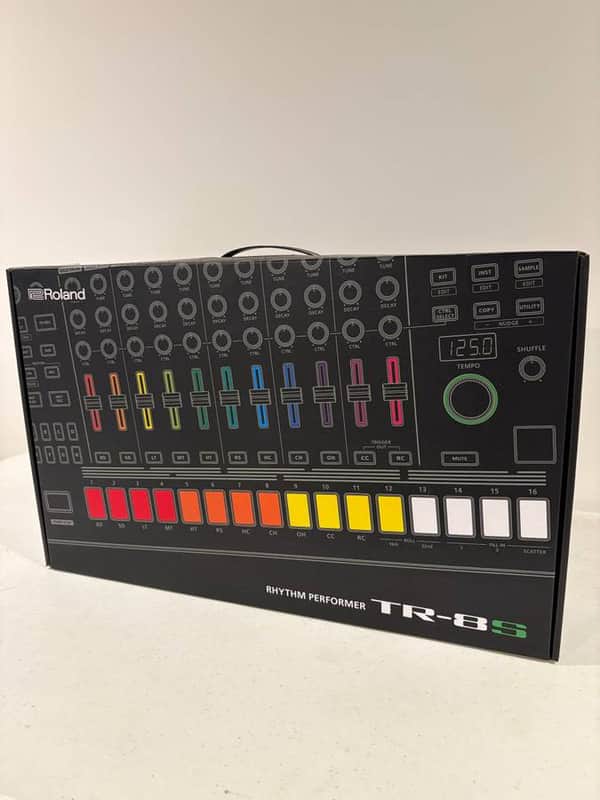
Roland TR-8S Rhythm Performer Drum Machine | Brand New Still In Box
$800 · Excellent
reverb.com ↗ -
![ROLAND TR-08 : BRAND NEW : [DETROIT MODULAR]](https://rvb-img.reverb.com/i/s--roQ_FXAx--/quality=medium-low,height=800,width=800,fit=contain/vcr7dukeu1c1lmaw7nqs.jpg)
ROLAND TR-08 : BRAND NEW : [DETROIT MODULAR]
$494.99 · Brand New
reverb.com ↗ -
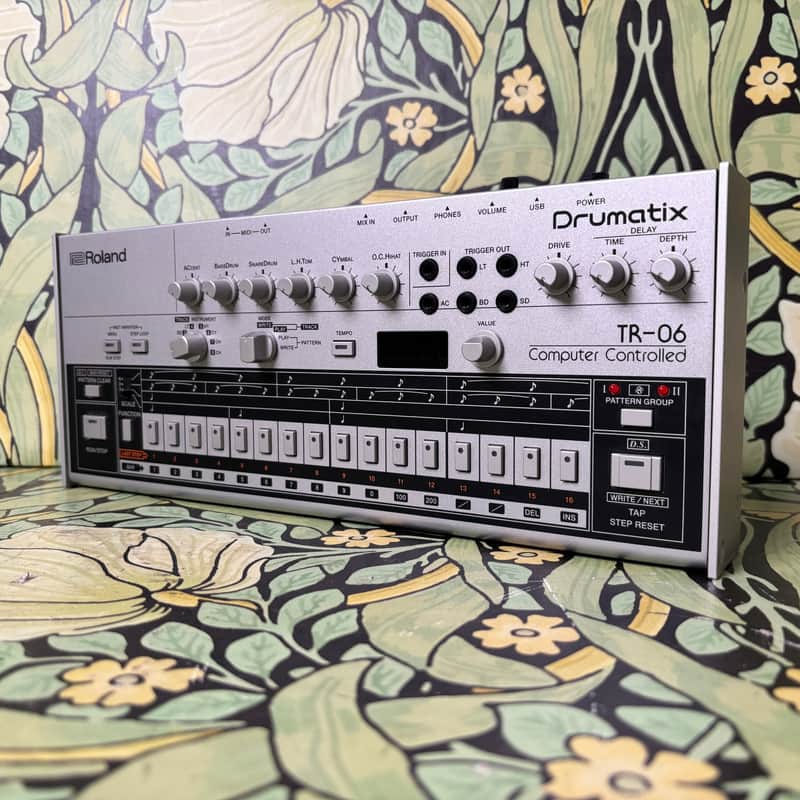
Roland TR-06 Drumatix - Used
$327.99 · Very Good
reverb.com ↗ -
![ROLAND TR-6S : BRAND NEW : [DETROIT MODULAR]](https://rvb-img.reverb.com/i/s--MX0cmXw1--/quality=medium-low,height=800,width=800,fit=contain/wcfu2wpozunojwy28clj.jpg)
ROLAND TR-6S : BRAND NEW : [DETROIT MODULAR]
$453.99 · Brand New
reverb.com ↗ -
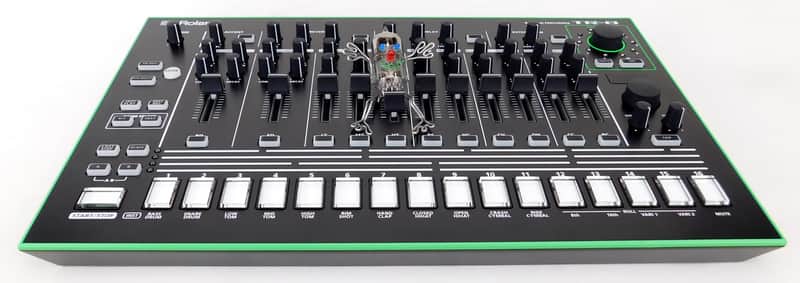
Roland TR-8 AIRA Drum Synthesizer + Fast Neuwertig + 1,5Jahre Garantie
$561.24 · Excellent
reverb.com ↗ -
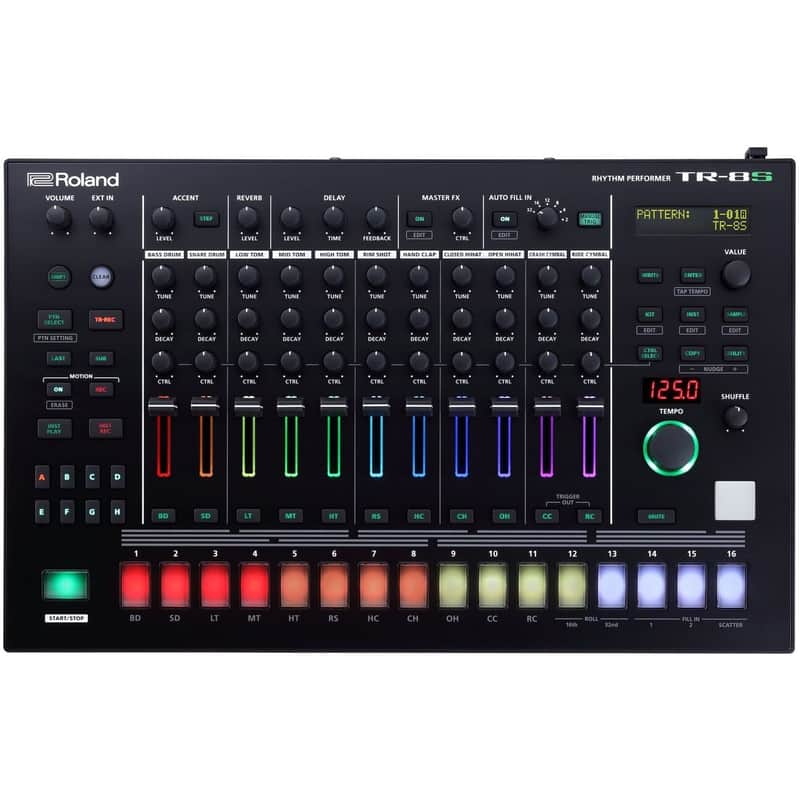
Roland TR-8S Rhythm Performer Drum Machine
$899.99 · Brand New
reverb.com ↗